
Synastry Guide: How Astrology Reveals Compatibility, Attraction, and Relationship Patterns
A practical synastry guide to what actually matters in relationship astrology: birth chart compatibility, Sun sign chemistry, Moon needs, Venus attraction, Mars tension, Rising sign chemistry, and the deeper patterns between two charts.
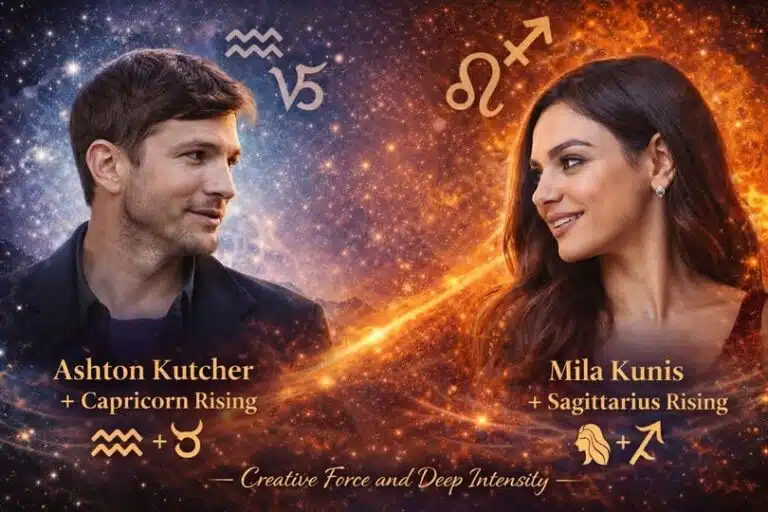
Quick Answer: What Is Synastry?
Synastry is relationship astrology based on comparing two birth charts. It helps explain attraction, emotional compatibility, communication rhythm, physical chemistry, conflict patterns, and long-term growth potential.
In simple terms: zodiac compatibility asks whether two signs fit. A synastry chart asks how two complete people interact — emotionally, romantically, mentally, physically, and symbolically.
What Is Synastry in Astrology?
A synastry guide should begin with one simple idea: synastry is the comparison of two birth charts to understand how two people experience each other. It shows where attraction flows easily, where friction appears, and where a relationship can grow stronger through awareness.
Many people begin with zodiac compatibility based on Sun signs. That can be useful, especially for a first impression. But real relationship astrology goes further. A strong synastry reading compares the Sun, Moon, Venus, Mars, Ascendant, and the aspects between both charts.
The real value of synastry is not to label two people as “perfect” or “impossible.” It is to reveal emotional fit, attraction style, communication rhythm, conflict patterns, and long-term growth potential.
What Actually Matters Most in Synastry
The most useful relationship astrology is not just “which signs go together.” It is how two people meet emotionally, romantically, physically, mentally, and psychologically.
| Placement | What It Shows in Synastry | Why It Matters |
|---|---|---|
| Sun | Identity, vitality, ego, life direction, general style | Shows whether two people naturally respect, energise, and recognise each other. |
| Moon | Emotional needs, comfort, instinctive reactions, private self | Often one of the most important factors for emotional safety and long-term bonding. |
| Venus | Affection, romance, pleasure, beauty, receptivity | Shows how love is given, received, enjoyed, and expressed. |
| Mars | Desire, drive, pursuit, friction, sexual energy, conflict style | Important for chemistry, tension, attraction, and how conflict is expressed. |
| Ascendant / Rising Sign | First impression, body language, instinctive style, everyday interaction | Reveals how two people meet in real life, not only in theory. |
| Aspects | How one person’s planets connect with the other person’s planets | Often explains whether the relationship feels easy, magnetic, pressurised, healing, or transformative. |
A better synastry guide focuses on these layers together. Sun sign compatibility is useful, but Moon-Moon, Venus-Mars, Venus-Moon, Mars-Mars, and Ascendant contacts often tell the deeper story.
Synastry vs Zodiac Compatibility
Zodiac compatibility usually compares signs. It might say that Fire signs work well with Air signs, or that Earth signs often feel supported by Water signs. This is a useful first layer, but it is not the full relationship.
Synastry compares two full birth charts. This means one person’s Moon can strongly connect with the other person’s Venus, or one person’s Mars can challenge the other person’s Saturn. These links explain why some relationships feel instantly familiar, intensely magnetic, emotionally safe, or unexpectedly difficult.
ZodiacRoots view: no single placement decides a relationship. Compatibility is layered. The Sun describes identity, the Moon describes emotional safety, Venus and Mars describe attraction, and the wider chart shows timing, growth, and complexity.
Zodiac Compatibility by Element
The elements are one of the simplest and most useful foundations of astrology compatibility. Same-element signs often share rhythm and values, while complementary elements create chemistry, balance, and movement.
Fire signs seek passion, movement, courage, and inspiration. With Air, they often find excitement, playfulness, and a spark that keeps the relationship alive.
Earth signs value stability, consistency, trust, and practical devotion. Water helps soften their edges and adds emotional depth, care, and intuitive bonding.
Air signs thrive on ideas, conversation, freedom, and possibility. Fire brings courage, spontaneity, and magnetic energy that turns thought into action.
Water signs are intuitive, emotional, and deeply receptive. Earth offers structure, loyalty, and grounding, creating a safe container for emotional intimacy.
Classic Zodiac Love Matches by Sun Sign
These classic pairings reflect natural affinity between signs, especially when elemental style, pace, and emotional tone work in harmony. They are not guarantees, but they are strong starting points in a synastry guide.
| Couple | Natural Flow | Main Strength | Main Risk |
|---|---|---|---|
| ♈ Aries + ♌ Leo | High | Passion, admiration, bold momentum | Competition and pride |
| ♉ Taurus + ♍ Virgo | High | Trust, steadiness, practical loyalty | Rigidity or over-control |
| ♊ Gemini + ♒ Aquarius | High | Mental chemistry, freedom, friendship | Emotional distance |
| ♋ Cancer + ♏ Scorpio | High | Depth, intuition, emotional bonding | Intensity and defensiveness |
| ♌ Leo + ♐ Sagittarius | High | Adventure, optimism, mutual fire | Drama or inconsistency |
| ♍ Virgo + ♑ Capricorn | High | Reliability, goals, long-term building | Emotional reserve |
| ♎ Libra + ♒ Aquarius | High | Social ease, elegance, mental alignment | Avoidance of deeper emotional discomfort |
| ♏ Scorpio + ♓ Pisces | High | Emotional depth, magnetism, intuition | Blurred boundaries |
Challenging Matches That Can Still Work
A strong synastry guide should also show that challenge is not failure. Some combinations carry more friction, but that friction can become the source of depth, growth, and transformation.
| Couple | Main Friction | Growth Path |
|---|---|---|
| ♉ Taurus + ♒ Aquarius | Stability versus change | Learning how to balance consistency with freedom |
| ♌ Leo + ♏ Scorpio | Visibility versus control | Building trust, vulnerability, and mutual respect |
| ♊ Gemini + ♓ Pisces | Mind versus feeling | Connecting honesty with emotional sensitivity |
| ♍ Virgo + ♐ Sagittarius | Precision versus openness | Balancing focus with perspective and spontaneity |
| ♑ Capricorn + ♎ Libra | Duty versus flow | Learning how ambition and harmony can support each other |
How to Read Synastry Beyond Sun Sign Compatibility
1. Start with the Sun, but do not stop there.
Sun sign compatibility shows general style, but the Moon shows emotional fit, Venus shows affection and attraction, and Mars shows desire and friction.
2. Check the Moon before making a big judgement.
Many relationships look strong on the surface yet feel emotionally difficult underneath. Moon contacts often reveal whether two people feel safe, heard, and naturally soothed by one another.
3. Venus and Mars often explain chemistry.
Venus shows how love is received and enjoyed. Mars shows pursuit, heat, desire, and conflict style. Together they often explain why a match feels magnetic, playful, frustrating, or irresistible.
4. The Ascendant shapes first-contact compatibility.
Rising sign dynamics often explain whether two people click naturally in real life, especially in social rhythm, body language, tone, and everyday interaction.
5. Tension is not always a red flag.
Challenging aspects can create stress, but they also create movement, fascination, and growth. The question is not whether tension exists, but whether it can be handled with maturity.
Most important takeaway: if you want real relationship insight, compare the Moon sign, Rising sign, Venus, Mars, and the wider emotional pattern — not just the Sun sign.
Composite Chart vs Synastry: What Is the Difference?
Synastry compares two birth charts directly. It asks: how does one person’s chart interact with the other person’s chart? This is why synastry is especially useful for understanding attraction, emotional compatibility, tension, and repeated relationship patterns.
A composite chart is different. It creates a symbolic chart of the relationship itself. Synastry describes the dynamic between two people; a composite chart describes the “third energy” created by the relationship. Both can be useful, but synastry is usually the best starting point for understanding compatibility.
How ZodiacRoots Reads Compatibility
At ZodiacRoots, compatibility is not reduced to a single sign. A relationship can look easy by Sun sign and still feel emotionally complex by Moon sign. It can look difficult by element and still have powerful Venus-Mars chemistry. This is why we read relationship astrology as a layered symbolic system.
The ZodiacRoots approach begins with the Western chart but can also connect relationship patterns with wider symbolic traditions through the 8 Roots method. This broader lens helps separate surface attraction from emotional needs, communication style, instinctive trust, and long-term growth themes.
Your Moon sign often says more about emotional compatibility than your Sun sign alone.
Rising Sign MeaningThe Ascendant helps explain instant chemistry, tone, and how two people meet in daily life.
Sun and Moon Sign CombinationsThis is a useful next step if you want to compare identity with emotional style.
Synastry Guide FAQ
Synastry is the comparison of two birth charts to understand relationship dynamics. It highlights attraction, tension, emotional patterns, strengths, and opportunities for growth.
Not exactly. Zodiac compatibility is a broader idea, often based on Sun signs and elements. Synastry goes deeper by comparing two full birth charts and the relationships between their placements.
The Sun matters, but the Moon, Venus, Mars, and Rising sign often reveal much more about emotional connection, attraction, instinctive chemistry, conflict style, and long-term compatibility.
A synastry chart is a relationship astrology comparison between two natal charts. It shows how one person’s planets, angles, and placements interact with the other person’s chart.
No. Sun sign compatibility is only the starting point. A more accurate synastry guide also considers the Moon, Venus, Mars, Ascendant, and key aspects between the two charts.
A difficult pairing does not mean a relationship cannot work. Challenging synastry can create intensity, learning, and transformation, especially when both people understand each other’s needs.
Both matter. The Moon describes emotional safety and instinctive needs, while Venus describes affection, attraction, pleasure, and romantic style. Strong relationships usually need both emotional comfort and affectionate flow.
Synastry compares two people’s birth charts directly. A composite chart creates a symbolic chart of the relationship itself. Synastry is usually better for understanding interpersonal dynamics, while the composite chart describes the relationship as a shared field.
Want a deeper look into your connection?
Sun sign compatibility is only the surface. Explore your deeper astrological profile through your Moon, Rising, and other core symbolic placements.
Calculate Your 8 Roots – FreeNo credit card. Just your birth details.
Astrology is a mirror, not a manual. Use synastry for insight, empathy, and deeper awareness — not as a final verdict.