Chinese Zodiac Signs Explained: The 12 Animals and Their Meanings
A richer guide to the 12 Chinese zodiac animals, how they are usually interpreted, why Chinese New Year matters, and how this symbolic system connects to deeper Chinese astrology.
Chinese zodiac signs explained means understanding more than a list of animal years. It means seeing how each animal expresses a different symbolic style of instinct, social tone, motivation, and temperament. This page gives you a clearer, more premium overview of the 12 animals and shows how the Chinese zodiac fits into the wider ZodiacRoots framework.
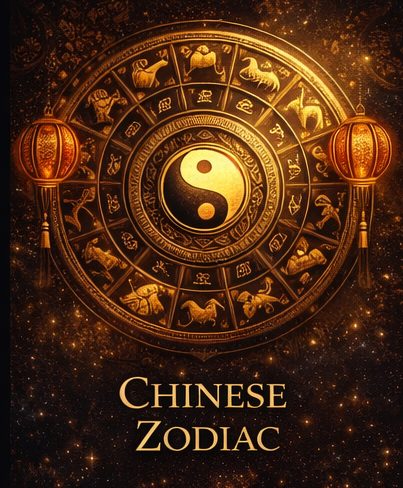
Quick answer: Chinese zodiac signs explained refers first to the symbolic meaning of the 12 zodiac animals in the Chinese annual cycle: Rat, Ox, Tiger, Rabbit, Dragon, Snake, Horse, Goat, Monkey, Rooster, Dog, and Pig. Each animal is commonly associated with a birth year, but in deeper Chinese astrology systems such as BaZi Four Pillars, animal branches also appear in the month, day, and hour pillars. Exact year-sign dates depend on Chinese New Year rather than January 1.
Chinese Zodiac Signs Explained: Start Here
This page works best as a practical starting point. It is designed for readers who want a clear answer first, then a deeper route into the Chinese zodiac section.
What Are the 12 Chinese Zodiac Signs?
The Chinese zodiac follows a repeating 12-animal cycle. Each lunar year is associated with one animal, and each animal carries a distinct symbolic meaning. These meanings are often used to reflect on personality, instinct, social style, strengths, challenges, and recurring patterns of behaviour.
The 12 animals are: Rat, Ox, Tiger, Rabbit, Dragon, Snake, Horse, Goat, Monkey, Rooster, Dog, and Pig.
In practice, Chinese zodiac signs explained means reading these animals as symbolic archetypes rather than rigid labels. A sign can suggest certain tendencies, but it is not meant to erase complexity or individuality.
The 12 Chinese Zodiac Animals Explained
The most useful way to approach Chinese zodiac signs explained is to treat each animal as a symbolic style. Some animals feel more strategic, some more expressive, some more refined, and some more steady or protective. Open any sign below to explore its dedicated meaning page.
How to Compare Chinese Zodiac Signs Clearly
A useful comparison method is not to ask which sign is “best,” but to notice what kind of symbolic energy each one carries.
- Rat, Monkey, Snake often lean toward strategic thinking, adaptability, mental speed, or subtle intelligence.
- Ox, Dog, Rooster are often associated with structure, reliability, principle, standards, or duty.
- Tiger, Dragon, Horse tend to express force, movement, confidence, visibility, and dynamic life energy.
- Rabbit, Goat, Pig are often linked with refinement, warmth, sensitivity, softness, and emotional nuance.
This is where Chinese zodiac signs explained becomes more useful than a simple year list. It helps you compare the emotional tone, social style, and symbolic pattern of each animal instead of memorising names without context.
Why Dates Matter in the Chinese Zodiac
Important: the Chinese zodiac does not change on January 1. The zodiac year changes at Chinese New Year, which usually falls between late January and mid-February.
That means birthdays in January and early February need extra care. A person born in that window may belong to the previous zodiac year rather than the one shown in a simple year chart.
For that reason, one of the most practical parts of Chinese zodiac signs explained is date accuracy. The safest next step is to use the Chinese Zodiac Calculator if you want to confirm your sign correctly.
For a more explanatory guide before using the tool, continue to What Is My Chinese Zodiac?.
Do You Have More Than One Chinese Zodiac Animal?
In popular Chinese zodiac guides, a person is usually associated with one animal based on the birth year. This is the familiar year sign: Rat, Ox, Tiger, Rabbit, Dragon, Snake, Horse, Goat, Monkey, Rooster, Dog, or Pig.
However, that is only the simplest layer. In more advanced Chinese astrology systems, especially BaZi Four Pillars, the zodiac animals are not limited to the year. A full birth chart is structured through four pillars: year, month, day, and hour. Each pillar contains an Earthly Branch, and each Earthly Branch is associated with one of the 12 zodiac animals.
This means that, in a fuller Chinese symbolic reading, a person may have: a year animal, a month animal, a day animal, and an hour animal. These do not all mean the same thing. They describe different layers of background, timing, identity, relationships, and inner development.
Important distinction: your year animal is the Chinese zodiac sign most public calculators show. But in BaZi, the chart is more detailed. The day animal belongs to the Day Pillar’s Earthly Branch, while the famous Day Master is the Heavenly Stem of the Day Pillar — they are related parts of the same pillar, but they are not the same thing.
| Chinese Astrology Layer | Animal Association | What It Commonly Represents |
|---|---|---|
| Year Pillar | Year animal | Broad social identity, ancestral background, early context, and the public-facing entry point most people know as “my Chinese zodiac sign.” |
| Month Pillar | Month animal | Developmental environment, formative pressures, work patterns, seasonal tone, and a more specific layer of personal structure. |
| Day Pillar | Day animal | A more intimate symbolic layer connected with the self in close life, partnership context, and the inner architecture of the chart. |
| Hour Pillar | Hour animal | Private impulses, later-life themes, creative output, children or legacy symbolism in traditional BaZi interpretation. |
This is why the question “What is my Chinese zodiac animal?” can have two valid levels of answer. For a simple annual zodiac reading, you look at the birth-year animal. For a deeper Chinese astrology profile, you study the year, month, day, and hour pillars together.
At ZodiacRoots, the year animal is used as the accessible Chinese zodiac entry point inside the 8 Roots calculation, while the more advanced pillar-based structure is explored through BaZi Four Pillars.
Why This Is Only One Layer of the Picture
The Chinese zodiac is valuable, but it is not the whole personality. It is one symbolic framework among several. At ZodiacRoots, this layer can be read alongside your Moon sign, Rising sign, Vedic sign, Celtic Tree, Mayan Seal, and Egyptian Guardian.
This wider approach helps avoid one-sign simplification. Your Chinese zodiac animal may reveal an important part of your symbolic temperament, but a fuller profile comes from seeing how different systems interact.
Chinese Zodiac Signs Explained in a Wider Cultural Context
The Chinese zodiac is not only a personality shorthand. It is also part of a much broader cultural and symbolic tradition. That is one reason it continues to attract interest: the animals feel simple at first, but the system behind them has rhythm, timing, cultural memory, and interpretive depth.
Used well, the zodiac helps people reflect on instinct, temperament, relational style, and symbolic identity. Used badly, it becomes a stereotype machine. A stronger reading always keeps nuance in place.
For broader reference, compare this ZodiacRoots guide with the Britannica overview of the Chinese zodiac. For historical and artistic context on the conventional twelve-animal order and its calendrical background, see the Met Museum collection note on the twelve zodiac animals.
Frequently Asked Questions About Chinese Zodiac Signs Explained
What are the 12 Chinese zodiac signs?
The 12 Chinese zodiac signs are Rat, Ox, Tiger, Rabbit, Dragon, Snake, Horse, Goat, Monkey, Rooster, Dog, and Pig. Each animal represents one year in a repeating 12-year cycle.
How is a Chinese zodiac sign calculated?
A Chinese zodiac sign is usually identified from the birth year, but the boundary follows Chinese New Year rather than January 1. People born in January or early February should check the exact lunar-year transition for their birth date.
Do I have only one Chinese zodiac animal?
In the popular year-based Chinese zodiac, you are usually associated with one birth-year animal. In a deeper BaZi Four Pillars reading, however, the chart also includes animal associations for the month, day, and hour pillars, creating a more layered profile.
What do the year, month, day, and hour animals represent in Chinese astrology?
The year animal is the broad public-facing sign most people know. The month animal adds developmental and work-related context. The day animal belongs to the more intimate Day Pillar layer, and the hour animal is often linked with private impulses, later-life themes, creativity, or legacy symbolism in BaZi interpretation.
Is the day animal the same as the BaZi Day Master?
No. The day animal comes from the Earthly Branch of the Day Pillar. The Day Master is the Heavenly Stem of the Day Pillar and is one of the most important reference points in BaZi analysis. They belong to the same pillar, but they are not the same component.
What role do the Five Elements play in the Chinese zodiac?
The Five Elements add another cyclical layer to Chinese zodiac interpretation. The animal sign gives the broad symbolic archetype, while elemental variation adds texture, timing, and nuance to recurring year patterns.
Is the Chinese zodiac the same as BaZi?
No. The familiar Chinese zodiac animal is usually a year-based symbolic sign. BaZi Four Pillars is a deeper Chinese astrology system that reads birth data through year, month, day, and hour pillars, creating a more detailed interpretive structure.
How does ZodiacRoots connect Chinese astrology with the 8 Roots method?
ZodiacRoots treats the Chinese zodiac animal as one symbolic layer inside a wider identity map. It can be read alongside Sun sign, Moon sign, Rising sign, Vedic Rashi, Mayan Seal, Celtic Tree, and Egyptian Guardian through the 8 Roots method, while BaZi Four Pillars offers a deeper Chinese astrology route for readers who want more detail.
Find Your Sign, Then Go Deeper
Use this page to compare the 12 animals, confirm your sign with the calculator, and then connect your result with the rest of your symbolic profile through ZodiacRoots.